
10 Essential Things You Must Know About Air Compressors
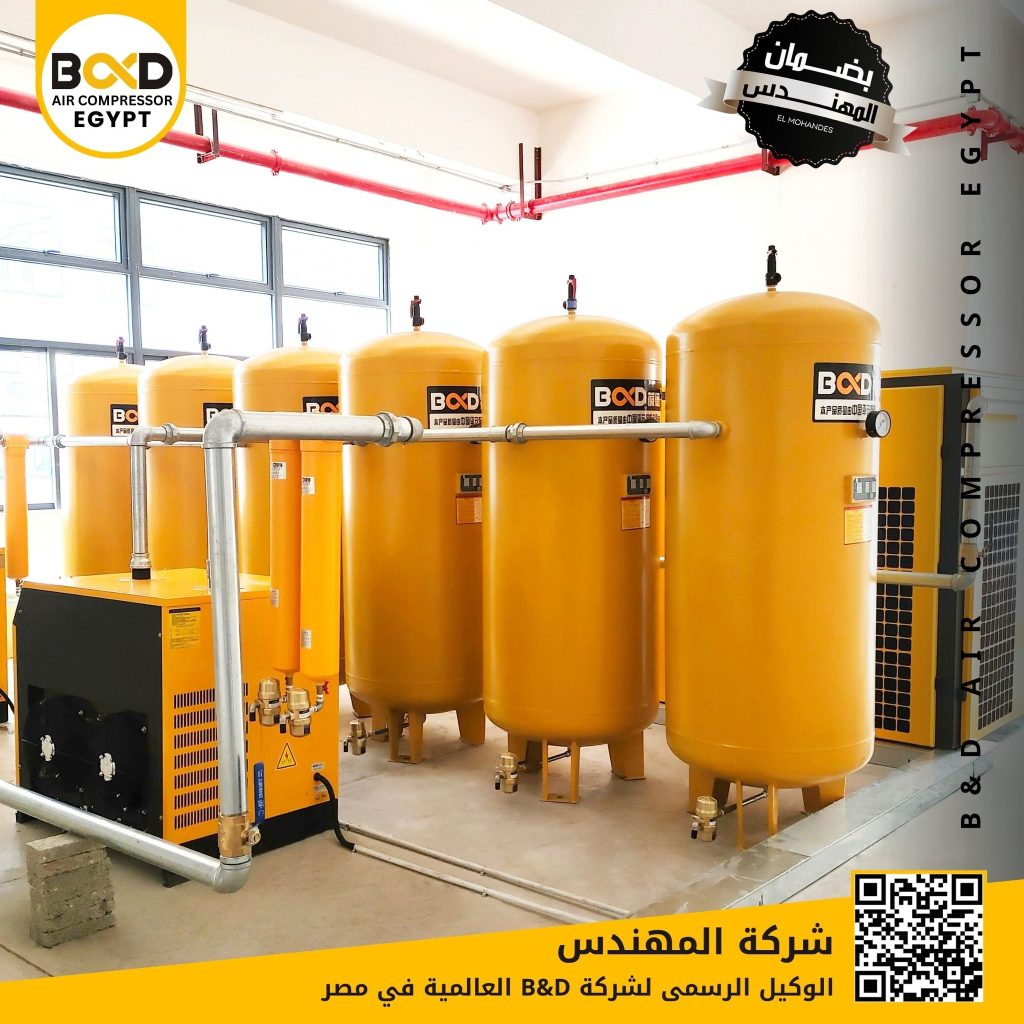
Air compressors are often called the “workhorses” of the modern workshop. From powering pneumatic tools to inflating tires and running industrial assembly lines, these machines are indispensable. However, choosing and operating one requires more than just plugging it in.
Whether you are a DIY enthusiast or a professional contractor, here are 10 things you must know about air compressors to ensure efficiency, safety, and longevity.
1. Reciprocating vs. Rotary Screw: Know the Difference
Not all compressors work the same way.
-
Reciprocating (Piston) Compressors: These use pistons to compress air. They are ideal for intermittent use in garages or small workshops.
-
Rotary Screw Compressors: Designed for 24/7 continuous operation. They are quieter and more efficient for heavy industrial applications.
2. CFM is More Important Than PSI
Most people focus on PSI (Pounds per Square Inch), which is the pressure. However, CFM (Cubic Feet per Minute)—the volume of air delivered—is what actually powers your tools.
SEO Tip: Always check your tool’s CFM requirement. If the compressor produces less CFM than the tool needs, the tool will stop working effectively.
3. Tank Size Doesn’t Equal Power
A larger tank does not mean the compressor is more powerful; it simply means the motor runs less frequently. The tank acts as a buffer. If you use tools that require a constant flow (like sanders or grinders), a larger tank is helpful. For quick bursts (like nail guns), a small tank is sufficient.
4. Oil-Free vs. Oil-Lubricated Models
-
Oil-Free: Great for hobbyists. They are lighter, cheaper, and require less maintenance, but they are very loud and have a shorter lifespan.
-
Oil-Lubricated: These are quieter and much more durable. However, they require regular oil changes and can release trace amounts of oil into the air (not ideal for spray painting or food-grade environments).
5. Understanding the “Duty Cycle”
The duty cycle is the amount of time a compressor can run in a 10-minute period without overheating. A 50% duty cycle means the machine should only run for 5 minutes and rest for 5 minutes. Exceeding this can burn out the motor.
6. Moisture is the Enemy (Condensation)
When air is compressed, it gets hot. When it cools in the tank, it turns into water. This moisture causes:
-
Rust inside the tank.
-
Damage to your air tools.
-
Poor finishes in spray painting.
Solution: Always drain your tank after every use!
7. Noise Levels Matter
Air compressors can be incredibly loud (up to 90 decibels). If you are working in a residential area or a small basement, look for “Ultra-Quiet” models that operate between 60–70 dB—roughly the volume of a normal conversation.
8. The Importance of Air Filtration
Compressors “breathe” the air around them. If your workshop is dusty, that dust enters the machine. Regularly cleaning or replacing the intake air filter is the easiest way to extend the life of your compressor.
9. Power Requirements: Electric vs. Gas
-
Electric: The standard for indoor use. Ensure your circuit can handle the “startup surge” (the extra power needed to start the motor).
-
Gasoline/Diesel: Best for outdoor job sites where electricity isn’t available. Never use these indoors due to carbon monoxide risks.
10. Safety is Non-Negotiable
Compressed air can be dangerous. Never use it to blow dust off your skin or clothes, as it can cause air bubbles to enter the bloodstream (embolism). Always wear eye protection and check the safety relief valve regularly to ensure it isn’t clogged.
Summary
Buying an air compressor is an investment. By focusing on CFM, understanding your duty cycle, and committing to daily drainage, you will get the most “bang for your buck” and keep your tools running smoothly for years.
Frequently Asked Questions (FAQ)
-
How often should I change the oil? Usually every 500–1,000 hours of use, but check your manual.
-
Why is my compressor vibrating so much? Check for loose bolts or uneven flooring. Vibration pads can help reduce noise and movement.
 English
  العربية